Birdwatching in Miches: A Beginner’s Guide
Birdwatching in Miches: A Beginner’s Guide to Laguna Redonda and Laguna Limón
Start birdwatching at Miches’s lagoons: choose a visit format, use binoculars, note what you see and observe without disturbing wildlife.
What a birdwatching visit in Miches means
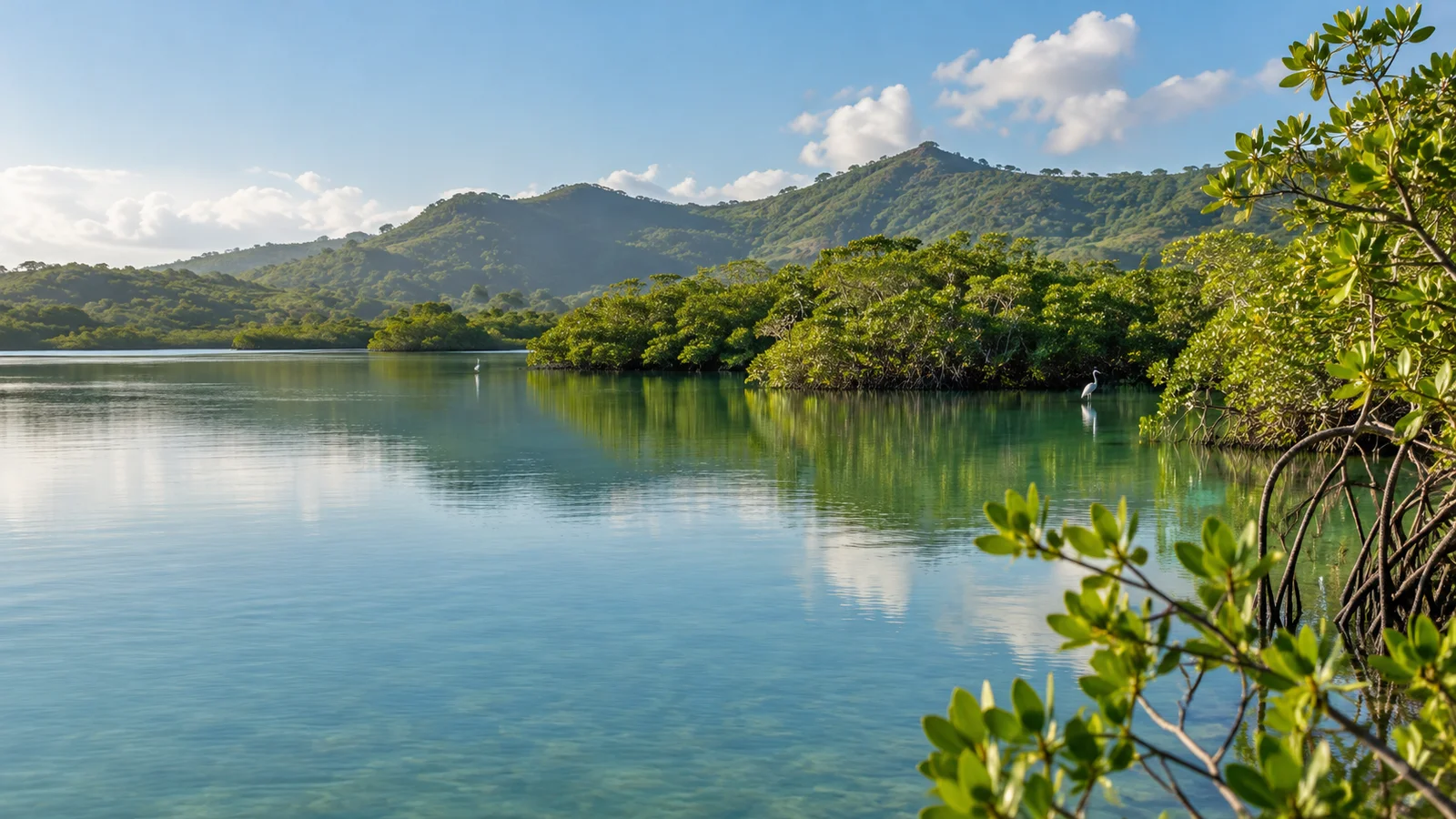
Birdwatching can begin with paying attention, not with a long species list or expensive camera. A lagoon visit gives you a reason to slow down, look at the wetland landscape and notice the behaviour of any birds you encounter. Decide whether that unhurried observation is your main aim or a small part of a wider outing. Neither a visit nor a particular sighting can be promised by this article.
Use the Redonda and Limón lagoon guide to distinguish the places. Laguna Redonda and Laguna Limón are coastal lagoons; Montaña Redonda is the hilltop viewpoint. Seeing water from the mountain is not visiting its shore. Playa Limón is a separate beach stop, so ask for the lagoon name rather than accepting “Limón” as a complete itinerary.
Choose the visit format before adding more stops
A shore-based visit, a boat trip and a kayak activity are different arrangements. Start by asking where observation actually takes place and what access is authorised. A name on a map does not establish a public path, an open entrance or permission to move through wetland vegetation. Stay with the agreed route and local instructions.
If a water activity is proposed, confirm its provider, boarding method and participation requirements. Do not assume a boat gets closer to birds, offers better sightings or is needed for birdwatching. A private nature-focused itinerary is an option to discuss fewer stops and more observation time, not a guarantee of specialist guiding or access.
Begin with your eyes, then use binoculars
At an authorised stopping place, settle before scanning the scene. Look across the visible water, shoreline and vegetation without leaving the route. Start with movements and shapes rather than trying to identify everything immediately. Watch a bird you can already see before looking for another; a short, patient observation can be more satisfying than rushing between viewpoints.
If you have binoculars, practise focusing before the outing. Find a visible subject with your eyes, raise the binoculars while keeping its position in mind, then adjust the focus. Remain stationary while looking through them and lower them before moving. Observe from your existing position rather than following a bird into vegetation or towards the water’s edge.
Notice useful details before naming a bird
Record a few features: apparent size, overall shape, bill and leg proportions, colours you can actually distinguish, behaviour and where the bird was. Was it standing, swimming, flying or moving through vegetation? Note when and at which lagoon you observed it. Those details are more useful than choosing a species name from one uncertain colour.
A distant view or brief photograph may not support a firm identification. Mark uncertainty in your notes and ask whether your guide can help explain what you saw. This guide does not provide a verified local species checklist, a seasonal calendar or a best viewing hour. No species or number of sightings is guaranteed, and a general excursion guide is not automatically a bird-identification specialist.
Keep observation from becoming disturbance
Use binoculars and camera zoom to observe at a distance rather than moving closer for a better image. Keep voices low, do not feed wildlife and leave plants undisturbed. Stay on the authorised route; do not enter vegetation or follow a bird to obtain a photograph. Follow the guide’s instructions about where to stop and when to move.
Do not pursue a bird that moves away or use food or recorded calls to attract it. If your observation appears to be changing its behaviour, give it more space and ask the guide what to do. There is no universal viewing distance established here. A photograph is optional; avoiding disturbance takes priority over an identification or close-up.
Bring simple equipment and protect it
Binoculars can help you see without approaching, but you can still practise observing landscape, movement and behaviour without them. Ask whether any equipment is supplied; do not infer it from the words “nature tour.” A phone or notebook is enough for basic notes. Protect electronics from rain and splashes and keep equipment manageable for the actual route.
Bring water, suitable footwear and appropriate sun and insect protection. Confirm shade, toilets, breaks and the time away from the vehicle. With children, use the Miches family excursion guide for equipment and pacing, and make the activity about noticing a few details rather than completing a promised list of birds.
Build an outing around time to observe
Compare time at the lagoon with travel, waiting, meals and other stops. One confirmed visit may suit observation better than trying to cover both lagoons and a beach. Ask whether the group can pause at agreed places instead of moving continuously. Do not apply a fixed duration or hotel transfer estimate to every route.
Check the proposed lagoon excursion and send your date, hotel, group size and interest in birdwatching. Confirm the lagoon, access point, format, included equipment and guide language. If identification matters, ask about relevant expertise separately. Agree what happens if access or the proposed activity changes; neither weather alternatives nor refunds should be assumed.
Questions beginners ask
Do I need binoculars? They help with distant detail, but careful observation can start without them; supplied equipment needs confirmation. Must we take a boat? No format is established by the word birdwatching—confirm the actual visit. Are sightings guaranteed? No, and this guide does not promise particular species or a best season.
Can we visit both lagoons? Request a specific route and compare observation time after travel. Is a specialist included? Confirm expertise, not just the presence of a guide. Can children enjoy the visit? Consider interest, waiting, access and breaks; a short observation goal may fit better than a long checklist.
Plan a visit centred on nature
Explore the lagoon excursion, then share your hotel, date and observation interests. Confirm the actual visit format, equipment and guide expertise before booking.
Explore Miches tours